Mold Remediation & Removal in Ashland
Mold poses serious health risks and can cause significant property damage. Our IICRC-certified technicians follow strict protocols to safely remove mold, eliminate the moisture source, and prevent recurrence. Protect your family's health with professional remediation.
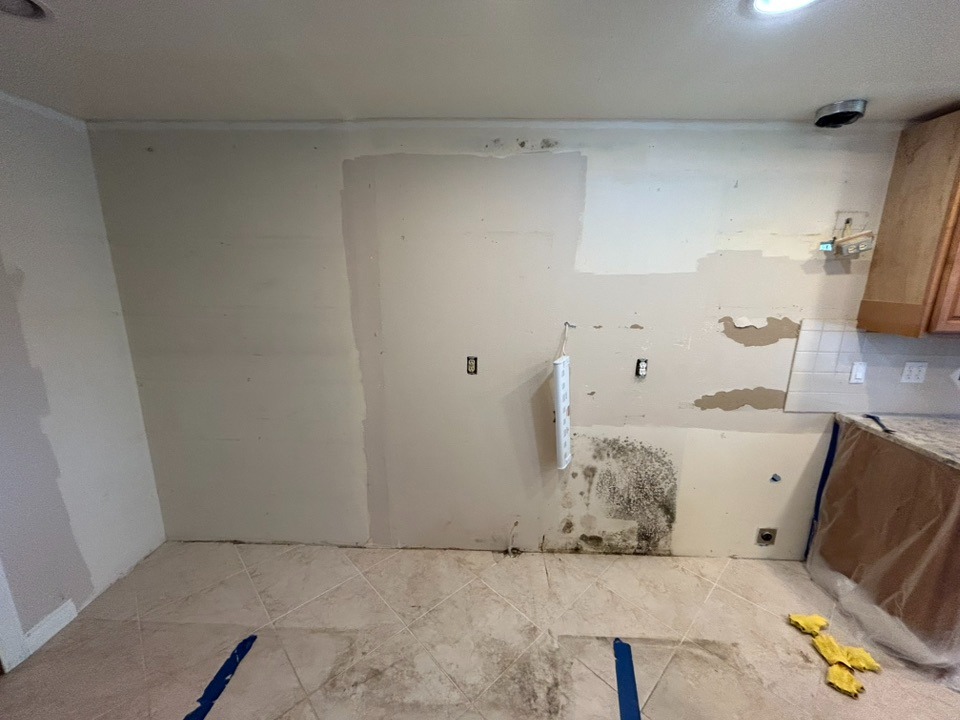
Warning: Mold can cause serious health problems, especially for children, elderly, and those with respiratory conditions.
Do not disturb mold growth - this can release spores into the air. Call for professional assessment.
Health Effects of Mold Exposure
Mold exposure can cause a range of health problems. If you're experiencing these symptoms at home, mold may be the cause.
- Coughing and wheezing
- Shortness of breath
- Sinus congestion
- Throat irritation
- Itchy, watery eyes
- Skin rashes
- Runny nose
- Sneezing fits
- Chronic fatigue
- Headaches
- Memory problems
- Immune system effects
Common Indoor Mold Types
Different molds pose different risks. Professional testing identifies the specific mold types in your property.
Aspergillus
Common indoor mold found on food, in HVAC systems, and water-damaged materials
Penicillium
Often found on water-damaged materials, wallpaper, and carpet
Cladosporium
Common outdoor mold that can grow on textiles, wood, and HVAC systems
Stachybotrys (Black Mold)
Toxic mold requiring cellulose and significant moisture to grow
When to Call for Mold Inspection
Many mold problems are hidden behind walls, under floors, or in other concealed spaces. If you notice any of these warning signs, professional inspection is recommended.
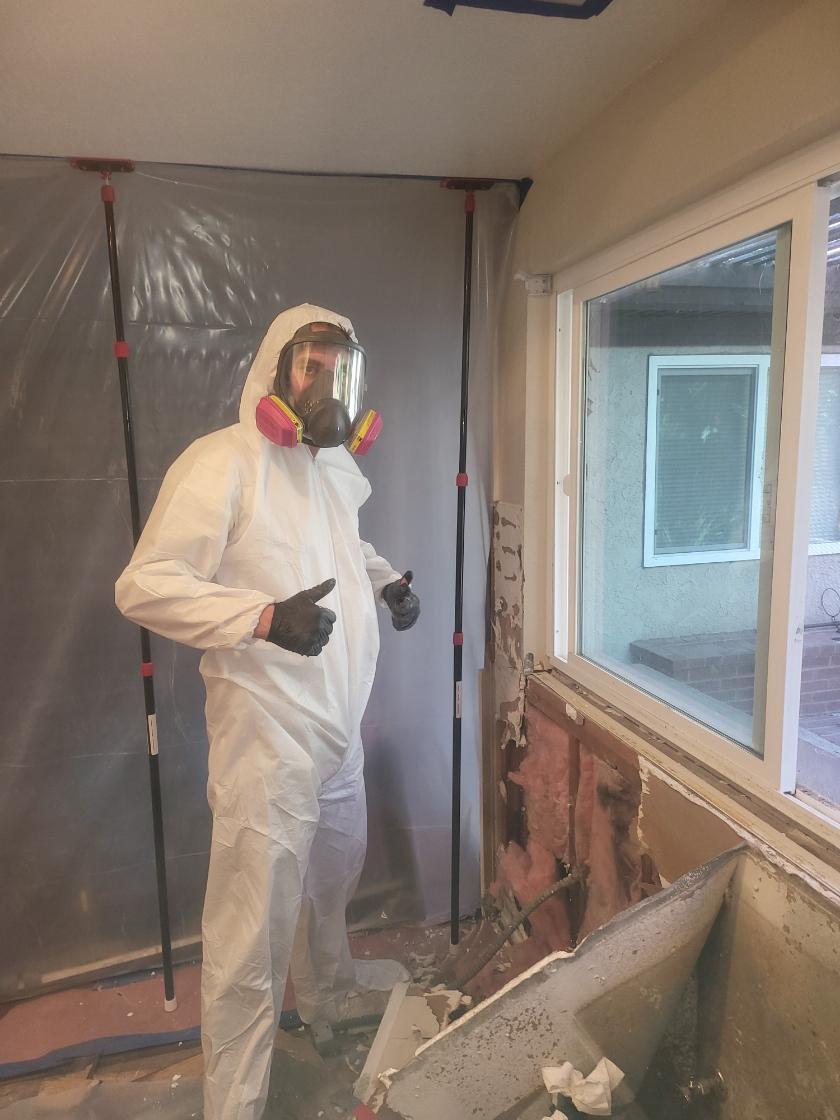
Our Mold Remediation Process
We follow strict IICRC protocols to ensure safe, complete mold removal and prevent recurrence.
Inspection & Assessment
1-2 DaysThorough visual inspection combined with air quality testing and moisture mapping to identify all mold growth and moisture sources.
Containment Setup
Same DayWe isolate the affected area with physical barriers and negative air pressure to prevent mold spores from spreading to unaffected areas.
Air Filtration
Throughout ProcessHEPA air scrubbers run continuously to capture airborne mold spores and improve air quality during remediation.
Mold Removal
2-5 DaysContaminated materials are carefully removed. Salvageable surfaces are cleaned using IICRC-approved methods and antimicrobial solutions.
Cleaning & Sanitizing
1-2 DaysAll surfaces in the containment area are HEPA vacuumed, wiped with antimicrobial solutions, and treated to prevent regrowth.
Moisture Remediation
VariesWe identify and fix the moisture source that caused the mold, whether it's a leak, condensation, or humidity issue.
Post-Remediation Testing
1-2 DaysIndependent air quality testing verifies that mold levels have returned to normal and the remediation was successful.
Reconstruction
VariesWe rebuild any removed materials - drywall, insulation, flooring - restoring your property to pre-mold condition.
Professional Containment & Safety
Proper containment is critical to prevent mold spores from spreading during remediation.
Physical Barriers
Heavy plastic sheeting isolates the contaminated area, preventing cross-contamination during removal.
Negative Air Pressure
Air machines create negative pressure, ensuring any airborne spores are pulled into the contained area, not out.
HEPA Filtration
HEPA air scrubbers capture 99.97% of particles 0.3 microns or larger, including mold spores.
Mold Remediation Success Stories
Families we've helped eliminate mold and restore healthy indoor air quality.
Found black mold in our basement after a slow leak went undetected. The team contained it immediately, removed all affected materials, and their post-testing came back completely clean. Professional and thorough.
Amanda K.
Ashland, OR
Basement MoldMold behind our bathroom walls from years of poor ventilation. They found the source, fixed the ventilation issue, and completely remediated the mold. No more musty smell and we can breathe easier.
Steven P.
Medford, OR
Bathroom MoldMy daughter was having respiratory issues and we couldn't figure out why. They found hidden mold in her bedroom wall. Since the remediation, her symptoms have completely resolved. Lifesavers.
Lisa M.
Talent, OR
Hidden MoldMold Remediation FAQs
Common questions about mold and our remediation services.
How do I know if I have a mold problem?
Common signs include visible mold growth, musty odors, water stains, peeling wallpaper, and unexplained respiratory symptoms. If you suspect mold, professional testing is the most reliable way to confirm and identify the extent of the problem.
Is all mold dangerous?
While not all mold is equally toxic, all mold growth indoors should be addressed. Even non-toxic mold can cause allergic reactions and respiratory issues. Some molds, like Stachybotrys (black mold), produce mycotoxins that can cause serious health effects.
Can I remove mold myself?
Small areas of mold (less than 10 square feet) on non-porous surfaces might be safely cleaned by homeowners. However, larger infestations, mold on porous materials, or any presence of toxic mold should be handled by professionals to ensure complete removal and prevent health risks.
How long does mold remediation take?
The timeline depends on the extent of contamination. Small, contained areas might be remediated in 1-3 days, while larger infestations or those affecting structural materials can take 1-2 weeks. We provide detailed timelines during our assessment.
Will mold come back after remediation?
If the moisture source is properly addressed, mold should not return. We don't just remove mold - we identify and fix the underlying moisture problem. We also provide recommendations to prevent future mold growth.
Does insurance cover mold remediation?
Coverage varies by policy. Mold resulting from a covered water damage event (like a burst pipe) is often covered. However, mold from long-term humidity or maintenance issues may not be. We can help you understand your coverage and document the claim.
Related Services
Mold often results from water damage. We provide complete solutions.
Concerned About Mold in Your Ashland Home?
Don't let mold compromise your health or property value. Call for professional inspection and remediation in Ashland.